The UK quality standard behind a bag of compost that's actually safe and consistent to use, not just "recycled green waste" in name only.
Last updated August 2026 · William Alexander Logs
PAS100 is the UK's published standard for compost produced from biodegradable waste, setting out requirements for the input materials, the composting process itself, and the quality of the finished product, including physical, chemical and biological testing. Compost certified to PAS100 has to meet defined limits on things like stability, contamination (physical contaminants such as plastic or glass), and potentially harmful organisms, rather than simply being called "compost" with no independent check behind it.
Not all bagged or bulk compost is created equal. Poorly processed compost can be unstable (still actively breaking down, which can rob nitrogen from your soil and even harm young plants), contaminated with plastic or other physical debris, or simply inconsistent from bag to bag. PAS100 certification means the compost has been independently tested against a defined standard, so what is in the bag is what it says it is.
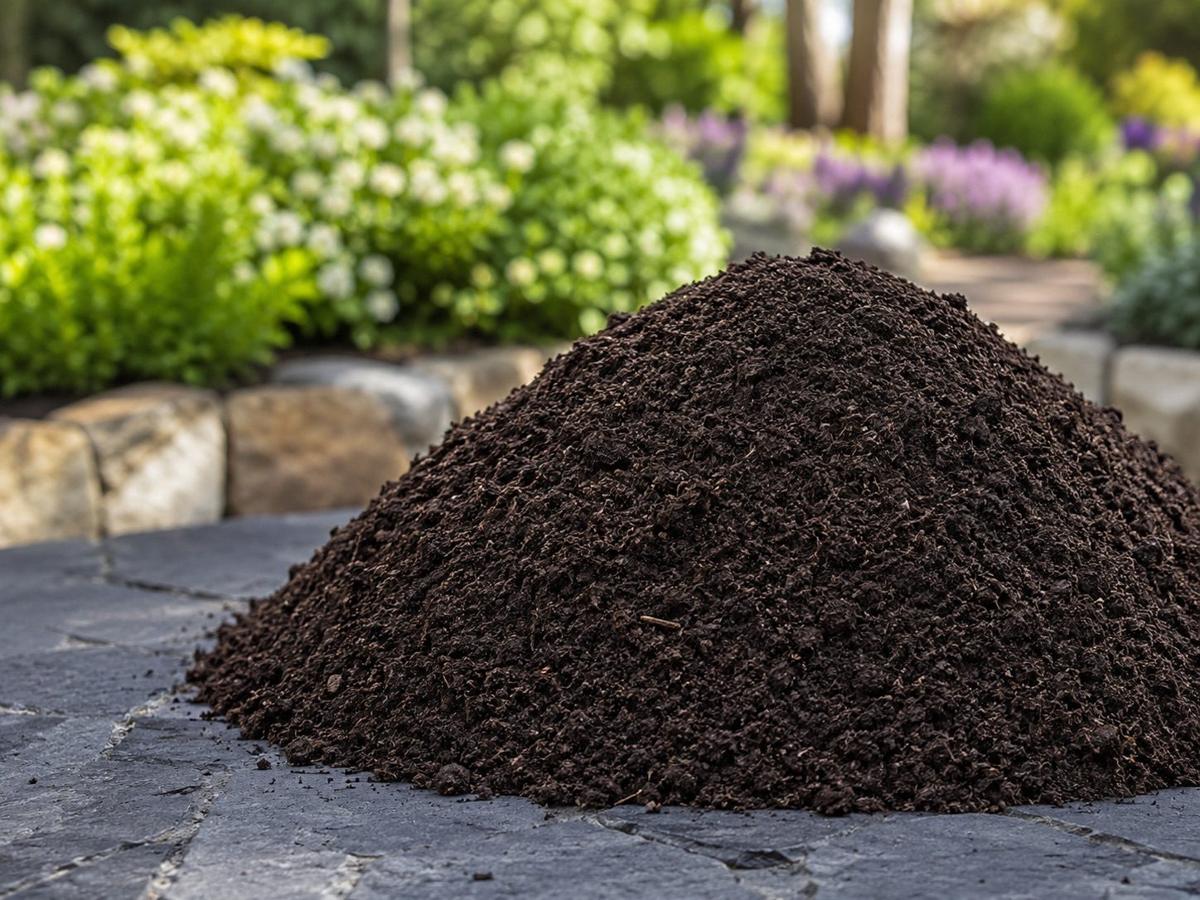
Our compost is produced to PAS100, made entirely from recycled green waste, and is peat-free. It's screened to a fine 10mm grade before bagging, so you get a fine, workable compost rather than one full of unbroken twigs and debris, and it arrives at approximately 300 litres per bag.
PAS100 certification and being peat-free are two separate things, and a compost can technically meet PAS100 while still containing peat. Peat extraction damages irreplaceable peatland habitats and releases stored carbon, which is why UK gardening bodies and government policy have been moving steadily towards peat-free growing media. Ours is both PAS100 certified and entirely peat-free, made from 100% recycled green waste.
Timing matters almost as much as the compost itself. Here's when to spread it, and why.
Read the guide →Kiln-dried, Woodsure Ready to Burn certified firewood and peat-free compost, delivered on the day you choose.