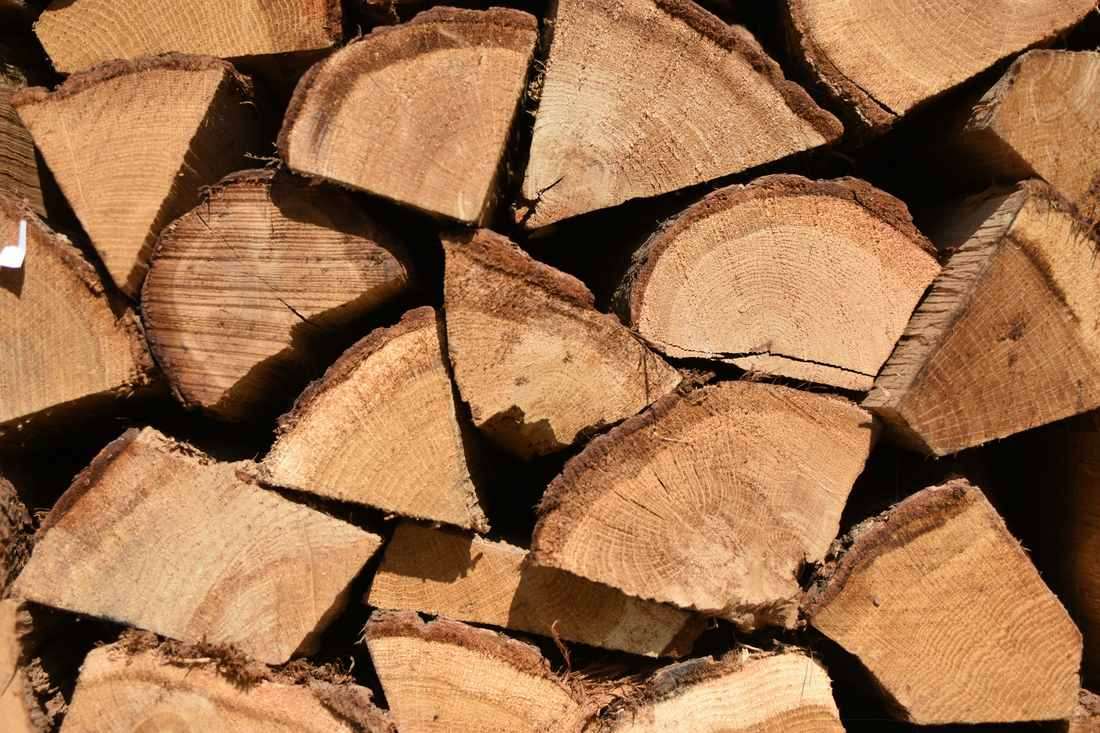
Different hardwoods burn differently. Here's how the woods you'll actually find in UK log yards compare, and which we'd pick for what.
Last updated August 2026 · William Alexander Logs
Dense hardwoods such as oak, ash, hornbeam and beech pack more energy per log than lighter softwoods like pine or spruce, and burn for longer at a steadier heat. Softwoods light quickly and burn hot but fast, and tend to produce more resin and spark, which is why most UK firewood suppliers, including us, focus on hardwood for everyday burning and keep resinous softwood for kindling instead.
Oak is one of the densest common UK hardwoods, which means a long, steady burn and a good bed of hot embers. It can take longer to get going than lighter woods, so it suits a fire that is already established, or an evening where you want heat that lasts rather than a quick blaze. It is a strong choice for a wood burner used most evenings through winter.
Hornbeam is, log for log, one of the hottest and longest-burning hardwoods available in the UK, similar in character to oak but often burning even hotter. That makes it our own pick for pizza ovens, where you want sustained, high heat rather than a quick flare, and it works equally well in a wood burner on the coldest nights.
Alder is a lighter, faster-burning hardwood that catches easily and gets a fire established quickly. That makes it well suited to fire pits, chimineas and camping, where you want a fire going fast rather than a long, slow burn, and where you are often adding logs regularly through the evening rather than banking a fire to run unattended.
A mixed hardwood load (typically a blend that includes oak) gives you a fire that lights a little more easily than pure oak while still burning well and for a reasonable time. It is a sensible, cost-effective default if you are not fussy about a single species and just want a reliable fire.
Freshly cut (unseasoned) softwoods and resinous woods burn fast, spit, and can leave more soot and creosote in a flue if used regularly and not properly dried. Whatever species you burn, the moisture content matters more than the species: a wet piece of oak will smoke and smoulder just as badly as any other wet wood. Always check it is kiln-dried or properly seasoned below 20% moisture, whichever species you choose.
Both can burn well. The difference is how the moisture is removed, and whether you can trust it before you strike a match.
Read the guide →Two very different fires, two different woods. Here's what actually works for each, and why.
Read the guide →A practical, no-nonsense answer for open fires, wood burners, fire pits and pizza ovens, based on how often you actually burn.
Read the guide →Kiln-dried, Woodsure Ready to Burn certified firewood and peat-free compost, delivered on the day you choose.